Trending...
- Kaltra Introduces New Downward-Spraying Distribution Technology to Boost Microchannel Evaporator Performance
- Dr. Nadene Rose Releases Moving Memoir on Faith, Grief, and Divine Presence
- $38 Million in U.S. Government Contract Awards Secured Through Strategic Partner. Establishing Multi-Year Defense Revenue Platform Through 2032: $BLIS
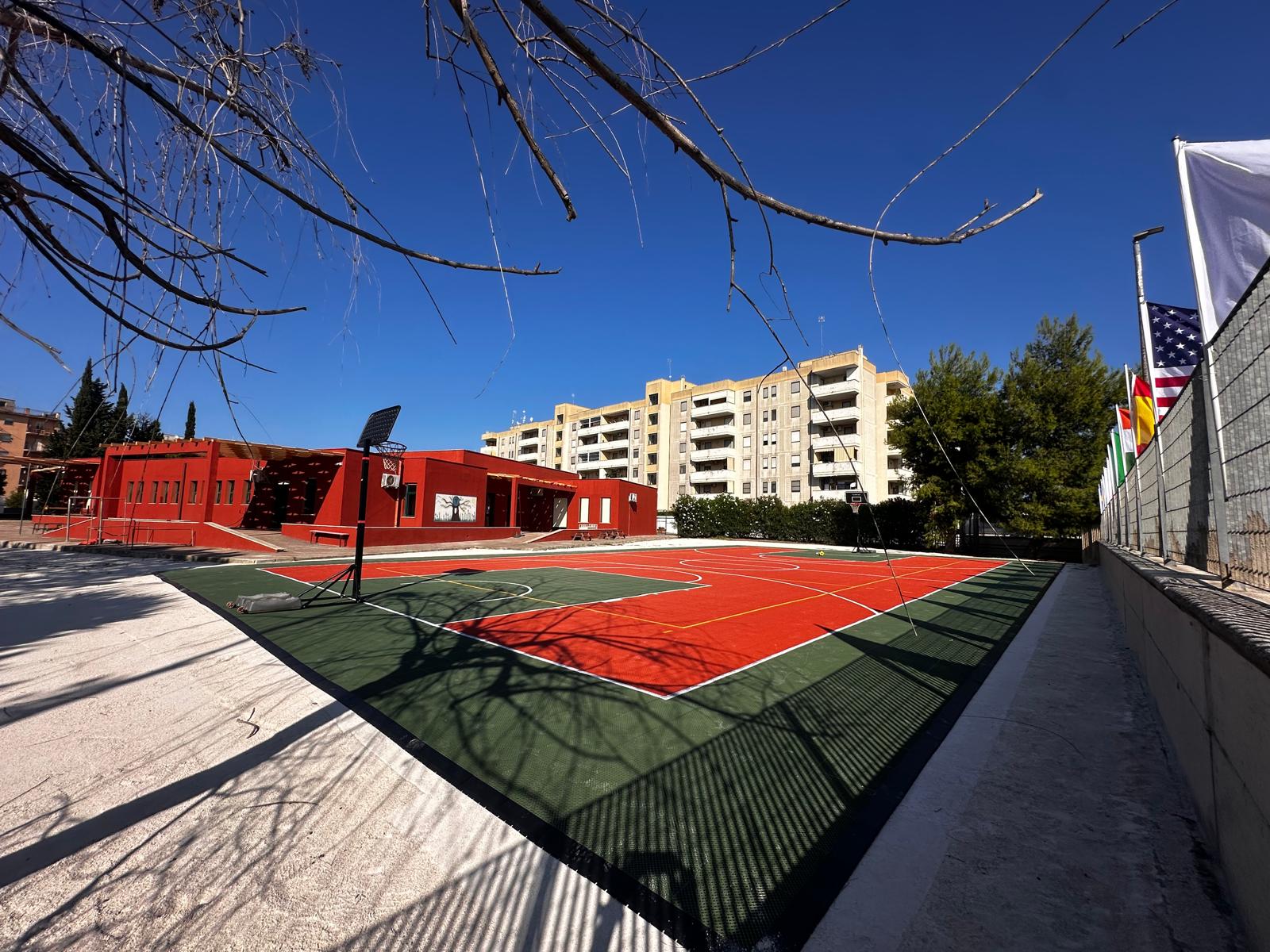

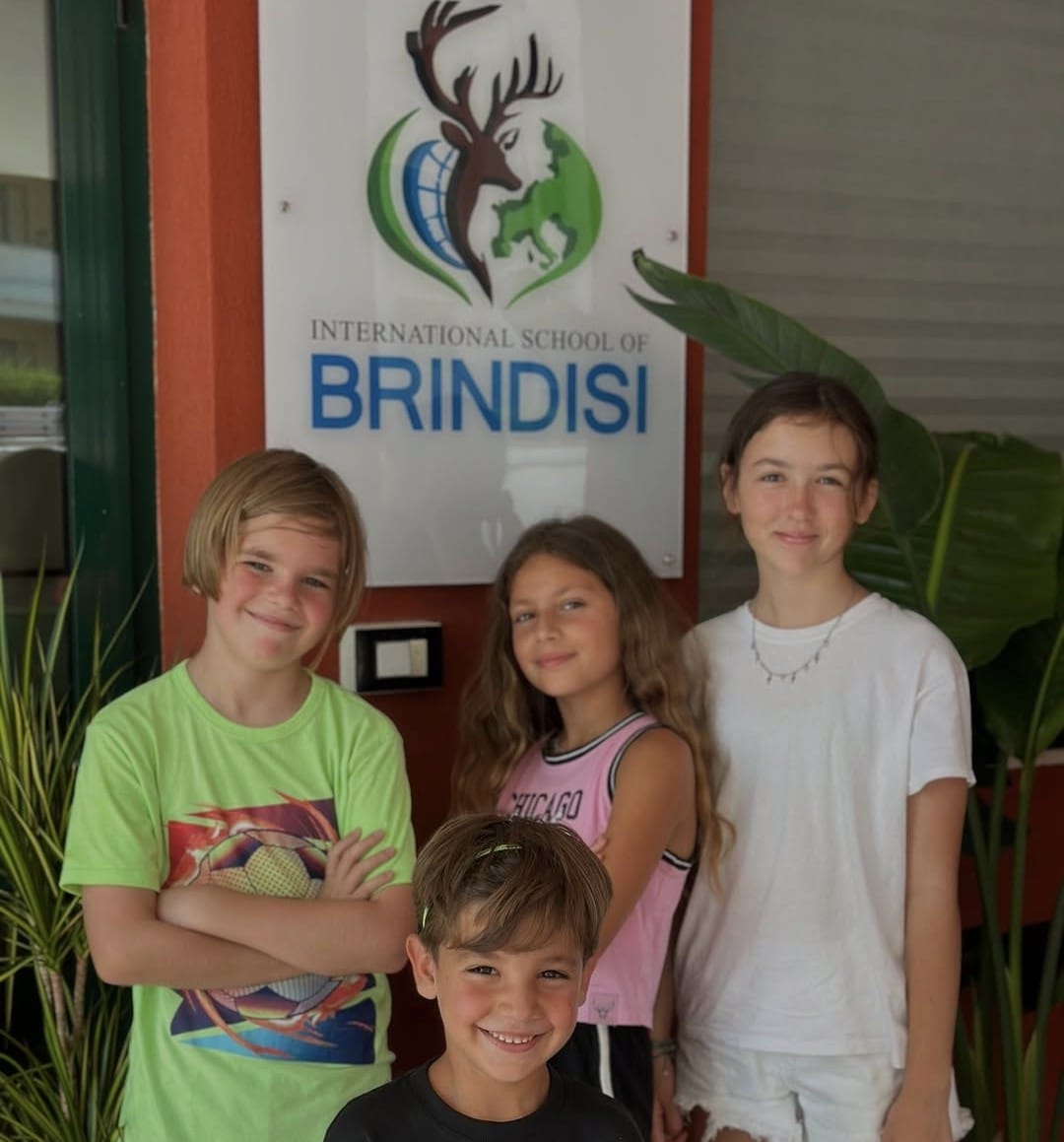



How one school is turning Puglia into Italy's new expat capital
BRINDISI, Italy - PrAtlas -- Tax haven. Mediterranean lifestyle. World-class education. Welcome to Brindisi.
Southern Italy has long had everything a relocating family could want: Mediterranean climate, UNESCO-recognised culture and cuisine, safety that has become rare in modern cities, and tax incentives that should make any financial advisor pay attention. Retirees relocating to the South pay a flat 7% on foreign income. Qualified professionals can exempt up to 70% of their earnings for five years. Property prices are a fraction of Northern Italy, let alone London, Singapore, or Monaco.
Yet for decades, one question silently killed countless relocation decisions: Where will my children go to school?
South of Naples, there was no internationally accredited school. No institution offering curriculum continuity for families moving from London, New York, Singapore, or Dubai. No pathway that allowed children to maintain their educational trajectory while their parents pursued the Mediterranean life.
This was the invisible infrastructure gap. Invisible because no public system could deliver what international families require: an American curriculum model with global transferability, the quality standards of private international schools, and the accreditation for seamless transitions worldwide. No government could fund it. Yet it determined, more than any airport or motorway, whether international professionals would actually make the move.
That gap has now been closed.
The Brindisi Model
The International School of Brindisi has become the first foreign school recognised by Italy's Ministry of Education in Puglia, and the only internationally accredited institution south of Naples. For the first time in history, international families can relocate to Southern Italy without sacrificing their children's educational future - or their continued global mobility.
Some are calling this the emergence of a new model for Mediterranean living - the Monaco of the South.
The comparison is deliberate. Monaco offers tax efficiency, security, and lifestyle. But it also offers high exclusivity and astronomical property prices. The Brindisi Model offers the tax advantages, the lifestyle, the climate - plus the Southern Italian soul: the chance to become part of a community that is growing, not one that is already complete.
More on PrAtlas
"We are anchored in authenticity, community, and meaning. Discerning families increasingly want their lifestyle choices to reflect their values. Contributing to a community that's developing - that's the new luxury."
Brindisi is a city of 90,000 where a family becomes part of the story, not an anonymous addition to an expatriate enclave. A place where UNESCO-recognised culinary heritage is lived by residents, not performed for tourists. A community where the Southern Italian code of reciprocity - generosity, mutual support, humble service - means giving and receiving are traditions, not transactions.
The Brindisi Model is simple: world-class lifestyle, extraordinary value, authentic community - and now, finally, world-class education.
Why Brindisi, why now
Puglia's transformation from hidden gem to global destination is no longer anecdotal. The data tells the story:
Tourism up 10.6% year-over-year
+20.1% foreign arrivals to Brindisi province
10.7 million passengers through Puglia's airports in 2024
This is not a tourism spike. It is a structural shift. Puglia is becoming a Tier 1 Mediterranean destination. The question has always been whether the region could convert visitors into residents. The missing piece - international education - is now in place.
In August 2026, the XX Mediterranean Games will bring 5,000 athletes from 26 nations to compete across Taranto, Brindisi, and Lecce. An estimated 150,000 to 200,000 visitors will experience the region, many for the first time - not as tourists, but as witnesses to what Puglia is becoming. A EUR 275 million infrastructure investment has prepared the stage.
For many international families, this will be their first exposure to what Puglia can offer as a place to live. And for the first time, they will discover that the barrier they assumed existed has been removed.
How it Happened: from Manila to Puglia
Behind the Brindisi Model is an unlikely protagonist. Carmela D'Angelo spent two decades in the upper echelons of international finance before returning to her native Puglia - senior leadership at the Asian Development Bank in Manila, executive roles at ANZ Banking Group across Melbourne and Singapore, management positions at Royal Bank of Scotland during the complex post-merger years.
Now she serves as Chief Operating Officer of a K-12 school. She believes it might be the most important infrastructure project in Southern Italy.
More on PrAtlas
"Everyone focuses on the visible infrastructure," D'Angelo explains. "Airports, motorways, restored historic centres. But there's an invisible infrastructure that determines whether professionals actually relocate: education. Without it, every other investment underperforms."
D'Angelo's journey reflects unconventional logic. Born in Italy, she pursued a PhD in Classics at the University of Bologna before pivoting to international business. Her career took her across three continents, managing budgets that would fund small nations, accumulating certifications and networks spanning global finance and development.
"I kept asking myself what Southern Italy actually needed to compete," she recalls. "We have the climate, the culture, the gastronomy - just recognised by UNESCO as the first national cuisine to receive Intangible Heritage status. We have tax incentives that should make treasurers weep with joy. But families weren't coming. The missing piece was always the same."
International resonance
The early results suggest D'Angelo's thesis is correct. Enrollment at ISB has grown 30% in the past year. Student families now represent more than ten nationalities - professionals who left London, the USA, and Singapore; entrepreneurs from Northern Europe; and Italian families returning from abroad. This last group, the ritorno generation, represents exactly the demographic that development economists have long hoped to attract back to the Mezzogiorno.
The school operates as a registered non-profit, creating opportunity for ESG-conscious donors and corporations to invest not in charity, but in regional transformation.
The implications extend beyond one school. If the Brindisi Model proves sustainable, it offers a template for how Southern European regions can compete for global talent - not by replicating Northern European urban density, but by leveraging authentic lifestyle advantages while closing specific infrastructure gaps.
"We have soul. And now we have a school. The rest is just execution."
Brindisi has been the Gateway to the East - Porta d'Oriente - for three thousand years. Now it may be becoming something else: the gateway for a new generation of global citizens seeking not just location, but meaning. Not just value, but values. Not just lifestyle, but legacy.
The invisible gap has been closed. What follows is up to those ready to walk through.
- ENDS -
Notes to Editors
The International School of Brindisi is the first foreign school recognised by Italy's Ministry of Education in Puglia and the only internationally accredited institution south of Naples. The school is open for enrolments all year round.
For more information http://.isbrindisi.com
Southern Italy has long had everything a relocating family could want: Mediterranean climate, UNESCO-recognised culture and cuisine, safety that has become rare in modern cities, and tax incentives that should make any financial advisor pay attention. Retirees relocating to the South pay a flat 7% on foreign income. Qualified professionals can exempt up to 70% of their earnings for five years. Property prices are a fraction of Northern Italy, let alone London, Singapore, or Monaco.
Yet for decades, one question silently killed countless relocation decisions: Where will my children go to school?
South of Naples, there was no internationally accredited school. No institution offering curriculum continuity for families moving from London, New York, Singapore, or Dubai. No pathway that allowed children to maintain their educational trajectory while their parents pursued the Mediterranean life.
This was the invisible infrastructure gap. Invisible because no public system could deliver what international families require: an American curriculum model with global transferability, the quality standards of private international schools, and the accreditation for seamless transitions worldwide. No government could fund it. Yet it determined, more than any airport or motorway, whether international professionals would actually make the move.
That gap has now been closed.
The Brindisi Model
The International School of Brindisi has become the first foreign school recognised by Italy's Ministry of Education in Puglia, and the only internationally accredited institution south of Naples. For the first time in history, international families can relocate to Southern Italy without sacrificing their children's educational future - or their continued global mobility.
Some are calling this the emergence of a new model for Mediterranean living - the Monaco of the South.
The comparison is deliberate. Monaco offers tax efficiency, security, and lifestyle. But it also offers high exclusivity and astronomical property prices. The Brindisi Model offers the tax advantages, the lifestyle, the climate - plus the Southern Italian soul: the chance to become part of a community that is growing, not one that is already complete.
More on PrAtlas
- Tarrytown Expocare Pharmacy Announces Strategic Leadership Appointments to Accelerate Growth and Innovation
- New Environmental Thriller "The Star Thrower" Reimagines a Classic Lesson in Individual Impact
- Summit Appoints Javier Cabeza as Data, AI, and Analytics Practice Lead
- March Is Skiing's Smartest Buying Window
- Cancun Airport Transportation Expands Fleet Ahead of Record Passenger Growth at Cancun International Airport
"We are anchored in authenticity, community, and meaning. Discerning families increasingly want their lifestyle choices to reflect their values. Contributing to a community that's developing - that's the new luxury."
Brindisi is a city of 90,000 where a family becomes part of the story, not an anonymous addition to an expatriate enclave. A place where UNESCO-recognised culinary heritage is lived by residents, not performed for tourists. A community where the Southern Italian code of reciprocity - generosity, mutual support, humble service - means giving and receiving are traditions, not transactions.
The Brindisi Model is simple: world-class lifestyle, extraordinary value, authentic community - and now, finally, world-class education.
Why Brindisi, why now
Puglia's transformation from hidden gem to global destination is no longer anecdotal. The data tells the story:
Tourism up 10.6% year-over-year
+20.1% foreign arrivals to Brindisi province
10.7 million passengers through Puglia's airports in 2024
This is not a tourism spike. It is a structural shift. Puglia is becoming a Tier 1 Mediterranean destination. The question has always been whether the region could convert visitors into residents. The missing piece - international education - is now in place.
In August 2026, the XX Mediterranean Games will bring 5,000 athletes from 26 nations to compete across Taranto, Brindisi, and Lecce. An estimated 150,000 to 200,000 visitors will experience the region, many for the first time - not as tourists, but as witnesses to what Puglia is becoming. A EUR 275 million infrastructure investment has prepared the stage.
For many international families, this will be their first exposure to what Puglia can offer as a place to live. And for the first time, they will discover that the barrier they assumed existed has been removed.
How it Happened: from Manila to Puglia
Behind the Brindisi Model is an unlikely protagonist. Carmela D'Angelo spent two decades in the upper echelons of international finance before returning to her native Puglia - senior leadership at the Asian Development Bank in Manila, executive roles at ANZ Banking Group across Melbourne and Singapore, management positions at Royal Bank of Scotland during the complex post-merger years.
Now she serves as Chief Operating Officer of a K-12 school. She believes it might be the most important infrastructure project in Southern Italy.
More on PrAtlas
- Tobu Group's "T-home Series" of Accommodations in Tokyo Just Opened "T-home KEI."
- Custom Wooden Token Manufacturer Celebrates 10 Years of Helping Brands Stay Top of Mind
- NaturismRE Launches the NRE Health Institute to Advance Evidence-Informed Public Health Research
- P-Wave Classics to publish Robert Bage's Hermsprong in three volumes, beginning 12 May
- Progressive Dental & The Closing Institute Partner with Zest Dental Solutions to Elevate Full-Arch Growth and Patient Outcomes
"Everyone focuses on the visible infrastructure," D'Angelo explains. "Airports, motorways, restored historic centres. But there's an invisible infrastructure that determines whether professionals actually relocate: education. Without it, every other investment underperforms."
D'Angelo's journey reflects unconventional logic. Born in Italy, she pursued a PhD in Classics at the University of Bologna before pivoting to international business. Her career took her across three continents, managing budgets that would fund small nations, accumulating certifications and networks spanning global finance and development.
"I kept asking myself what Southern Italy actually needed to compete," she recalls. "We have the climate, the culture, the gastronomy - just recognised by UNESCO as the first national cuisine to receive Intangible Heritage status. We have tax incentives that should make treasurers weep with joy. But families weren't coming. The missing piece was always the same."
International resonance
The early results suggest D'Angelo's thesis is correct. Enrollment at ISB has grown 30% in the past year. Student families now represent more than ten nationalities - professionals who left London, the USA, and Singapore; entrepreneurs from Northern Europe; and Italian families returning from abroad. This last group, the ritorno generation, represents exactly the demographic that development economists have long hoped to attract back to the Mezzogiorno.
The school operates as a registered non-profit, creating opportunity for ESG-conscious donors and corporations to invest not in charity, but in regional transformation.
The implications extend beyond one school. If the Brindisi Model proves sustainable, it offers a template for how Southern European regions can compete for global talent - not by replicating Northern European urban density, but by leveraging authentic lifestyle advantages while closing specific infrastructure gaps.
"We have soul. And now we have a school. The rest is just execution."
Brindisi has been the Gateway to the East - Porta d'Oriente - for three thousand years. Now it may be becoming something else: the gateway for a new generation of global citizens seeking not just location, but meaning. Not just value, but values. Not just lifestyle, but legacy.
The invisible gap has been closed. What follows is up to those ready to walk through.
- ENDS -
Notes to Editors
The International School of Brindisi is the first foreign school recognised by Italy's Ministry of Education in Puglia and the only internationally accredited institution south of Naples. The school is open for enrolments all year round.
For more information http://.isbrindisi.com
Source: www.isbrindisi.com
0 Comments
Latest on PrAtlas
- Cancun All Inclusive is ready for Spring Break 2026 with new Resorts, Exclusive Deals, activities and more!
- 66% of US Bankruptcies Are Medical — So Americans Are Building Businesses That Cover Healthcare Emergencies
- Ludex Partners With Certified Trading Card Association (CTCA) To Elevate Standards And Innovation In The Trading Card Industry
- Best Book Publishing Company for Aspiring Authors
- Dr. Nadene Rose Releases Moving Memoir on Faith, Grief, and Divine Presence
- Gigasoft Solves AI's Biggest Charting Code Problem: Hallucinated Property Names
- ASTI Ignites the Space Economy: Powering SpaceX's NOVI AI Pathfinder with Breakthrough Solar Technology: Ascent Solar Technologies (N A S D A Q: ASTI)
- Hiring has reached a "Digital Stalemate"—Now, an ex-Google recruiter is giving candidates the answers
- 2026 Pre-Season Testing Confirms a Two-Tier Grid as Energy Management Defines Formula 1's New Era
- Platinum Car Audio LLC Focuses on Customer-Driven Vehicle Audio and Electronics Solutions
- Postmortem Pathology Expands Independent Autopsy Services in Kansas City
- Postmortem Pathology Expands Independent Autopsy Services Across Colorado
- $38 Million in U.S. Government Contract Awards Secured Through Strategic Partner. Establishing Multi-Year Defense Revenue Platform Through 2032: $BLIS
- Mecpow M1: A Safe & Affordable Laser Engraver Built for Home DIY Beginners
- CrashStory.com Launches First Colorado Crash Data Platform Built for Victims, Not Lawyers
- Inkdnylon Earns BBB Accreditation for Verified Business Integrity
- Josh Stout "The Western Project"
- Open House Momentum Builds at Heritage at South Brunswick
- A Celebration of Visibility, Voice and Excellence: The 57th NAACP Image Awards Golf Invitational, Presented by Wells Fargo, A PGD Global Production
- Athens in Spring: A Culinary City Break That Rivals Paris and Copenhagen