Trending...
- Michael H. Kaplan Recognized for 17 Years on PHPA Workers' Compensation Panel and Advocacy for Professional Athletes
- Building a Diversified Healthcare Platform as Exosome Science, Telehealth, Diagnostics & Strategic Acquisitions Converge: NexTel Medical (OTCID: MAJI)
- FOCUS Names Mark Phillips Senior Vice President of Business Development
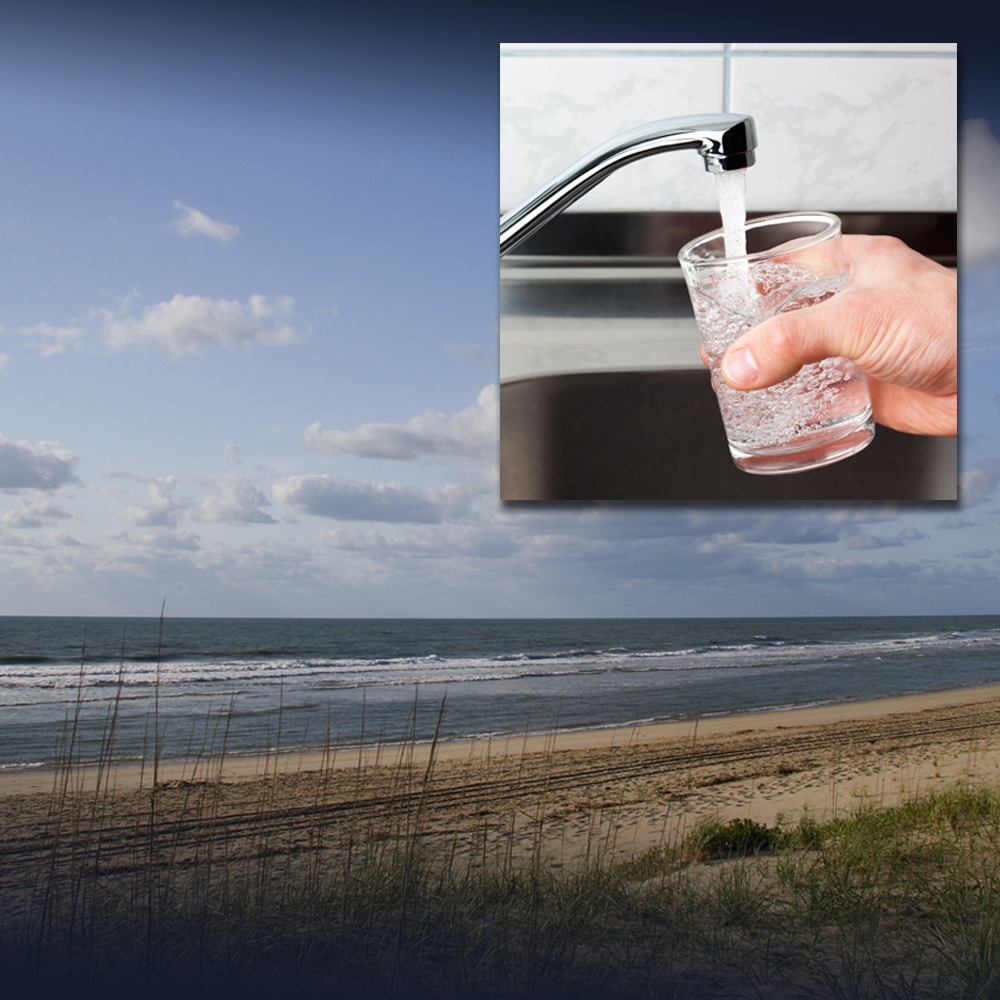
The Camp Lejeune Lawyers at Console & Associates Are Seeking to Interview Potential Claimants Who Believe Toxic Exposure to Contaminated Water at the Camp Lejeune Marine Base Caused Them to Develop Serious Health Conditions Like Cancers, Fertility Issues, and Parkinson's Disease
MARLTON, N.J. - PrAtlas -- Contaminated drinking water put at risk the health of Veterans and active-duty service members who served at Marine Corps Base Camp Lejeune in North Carolina, as well as their families living on the base. Persisting for decades, the toxic chemicals that were detected in water treated and distributed by two of the water systems on Camp Lejeune base have put generations of service members at risk for developing several types of cancer and other serious health conditions.
The chemicals detected in the contaminated water of Camp Lejeune include specific types of volatile organic compounds (VOCs): tetrachloroethylene or perchloroethylene (PCE), trichloroethylene (TCE), vinyl chloride, and benzene. Research studies have linked exposure to these chemicals to neurobehavioral effects and numerous health conditions. Enough research evidence exists to show causation between these chemicals and conditions such as Non-Hodgkin lymphoma, leukemias, kidney cancer, bladder cancer, and liver cancer.
More on PrAtlas
Water testing in 1982 first revealed the presence of chemicals like PCE and TCE at levels above the standard considered safe for drinking water in the water supply of certain treatment facilities at Camp Lejeune. Through subsequent data analysis and modeling, the U.S. Marine Corps identified August 1953 as the start of contaminated water problems at Camp Lejeune. In 1985, the "most contaminated" wells on the base had been shut down, but it wasn't until 1987 that the water on the base would be considered safe to drink, according to the U.S. Marine Corps.
All that time, service members, their families, and federal civilian employees exposed to water from the contaminated systems were consuming, cooking with, and bathing in water that may have contained unsafe levels of toxic chemicals. Up to a million people may have been exposed to these chemicals through contaminated water at Camp Lejeune, according to the Agency for Toxic Substances and Disease Registry.
Disability programs for Veterans and healthcare programs for Veterans and family members have been set up to compensate those harmed by Camp Lejeune water contamination. However, many of those who were exposed to toxic chemicals while residing at Camp Lejeune have found that the combination of a complex claims process and legal technicalities have made it difficult to get the money they deserve for their injuries.
More on PrAtlas
"Our Veterans served us and their families sacrificed for us, yet when they suffered serious illnesses due to toxic exposures that occurred on the military base where they were stationed, they weren't given the compensation they deserve," said Console & Associates, P.C. founder and managing attorney Richard P. Console, Jr. "Every military family should have the opportunity to pursue the full amount of compensation they deserve, with the support of experienced, professional legal representation on their side."
Interested parties can learn more about the lawsuit at https://www.myinjuryattorney.com/national-claims/camp-lejeune-toxic-water-contamination-lawsuit/.
At Console & Associates, our toxic exposure attorneys are seeking to interview anyone who may have been a victim of water contamination while serving, living, or working on Camp Lejeune Marine Base. We can help you understand the complex eligibility requirements for seeking compensation under the currently established compensation programs and advise you of your legal options, including how the development of pending legislation may affect your ability to pursue a claim, at no cost. Sign up for a free, confidential case evaluation at: https://www.myinjuryadvocate.com/camplejeune54635920.
The chemicals detected in the contaminated water of Camp Lejeune include specific types of volatile organic compounds (VOCs): tetrachloroethylene or perchloroethylene (PCE), trichloroethylene (TCE), vinyl chloride, and benzene. Research studies have linked exposure to these chemicals to neurobehavioral effects and numerous health conditions. Enough research evidence exists to show causation between these chemicals and conditions such as Non-Hodgkin lymphoma, leukemias, kidney cancer, bladder cancer, and liver cancer.
More on PrAtlas
- Century Fasteners Corp. Exhibiting at the 2026 International Fastener Expo
- Las Vegas Attorney Thomas Boley Publishes Free Plain-English Guide to 100 Nevada Criminal Laws, in English and Spanish
- Bank Statement Loans Up to $30 Million: Lendmire Announces High-Net-Worth Financing
- NYC Big Book Award Celebrates 10th Anniversary with Announcement of 2026 Winners
- Regional Magazines Shine at IRMA Awards
Water testing in 1982 first revealed the presence of chemicals like PCE and TCE at levels above the standard considered safe for drinking water in the water supply of certain treatment facilities at Camp Lejeune. Through subsequent data analysis and modeling, the U.S. Marine Corps identified August 1953 as the start of contaminated water problems at Camp Lejeune. In 1985, the "most contaminated" wells on the base had been shut down, but it wasn't until 1987 that the water on the base would be considered safe to drink, according to the U.S. Marine Corps.
All that time, service members, their families, and federal civilian employees exposed to water from the contaminated systems were consuming, cooking with, and bathing in water that may have contained unsafe levels of toxic chemicals. Up to a million people may have been exposed to these chemicals through contaminated water at Camp Lejeune, according to the Agency for Toxic Substances and Disease Registry.
Disability programs for Veterans and healthcare programs for Veterans and family members have been set up to compensate those harmed by Camp Lejeune water contamination. However, many of those who were exposed to toxic chemicals while residing at Camp Lejeune have found that the combination of a complex claims process and legal technicalities have made it difficult to get the money they deserve for their injuries.
More on PrAtlas
- Matt Zavala of Zavala Law, PC Selected to the 2027 Super Lawyers List
- Sawgrass Ford President Attributes Dealerships Success to Long-Term Employees
- Ragin' Cajun Announces New Cheeseburger Seasoning on National Cheeseburger Day
- Warrant Activity, AVERSA™ Progress and a Potentially Transformative Fall Take Center Stage: Nutriband Inc. (N A S D A Q: NTRB)
- Put Your Herd on Your Phone: Kiko Nation Makes Livestock Management Simple
"Our Veterans served us and their families sacrificed for us, yet when they suffered serious illnesses due to toxic exposures that occurred on the military base where they were stationed, they weren't given the compensation they deserve," said Console & Associates, P.C. founder and managing attorney Richard P. Console, Jr. "Every military family should have the opportunity to pursue the full amount of compensation they deserve, with the support of experienced, professional legal representation on their side."
Interested parties can learn more about the lawsuit at https://www.myinjuryattorney.com/national-claims/camp-lejeune-toxic-water-contamination-lawsuit/.
At Console & Associates, our toxic exposure attorneys are seeking to interview anyone who may have been a victim of water contamination while serving, living, or working on Camp Lejeune Marine Base. We can help you understand the complex eligibility requirements for seeking compensation under the currently established compensation programs and advise you of your legal options, including how the development of pending legislation may affect your ability to pursue a claim, at no cost. Sign up for a free, confidential case evaluation at: https://www.myinjuryadvocate.com/camplejeune54635920.
Source: Console & Associates, P.C.
0 Comments
Latest on PrAtlas
- Boston Industrial Solutions Introduces Personalized Printing Training
- Century Fasteners de Mexico Exhibiting at the 2026 Automotive & Aerospace Nearshoring Summit
- Retell AI White Label Platform for Agencies Launched by VoiceAIWrapper, With Branded Client Portals and No Per-Minute Markup
- FOCUS Names Mark Phillips Senior Vice President of Business Development
- Notaron Expands Online Notarization Access Following Wisconsin Approval
- Wings Air Helicopters Selected to Support VIP Transportation for Resorts World in New York
- Scoop Social Co. Brings Its Signature Mobile Dessert Experience to Houston This October
- The Social Capital Revolution Comes to Phoenix!
- Lawsuit Alleges American Deli Food Caused Severe Illness, Acute Kidney Failure, And Eight-day Hospitalization
- FBI/DoW plot uncovered to hurt Trump/Vance through encouraged "widespread" cybersecurity breaches and racketeering theft of $80m in USDA payments
- Bettingbladet releases H1 2026 report on the Swedish online gambling market
- Garage door installation or repair in Minnesota? Which makes more sense for your family?
- Super Rooter Expands to 190 Plumbing, Sewer, and Drain Service Locations Across the United States
- European Patent for ALS Program Expands the Story: HOPE Deploys Robotic TMS & FDA Commercialization Path Advances: NRx Pharmaceuticals: NAS DAQ: NRXP
- VICTURY Sports Announces Formation of Youth Sports League Built on the Official, Patented, and Award-Winning Keepy Uppy® Ball
- Congressman Chuck Edwards (NC-11) Presents ReadyCommunities Partnership 2026 National Service Award to Local Businessman / US Air Force Veteran
- Cress Creeks Farm Opens Fall Corn Maze and Baby Lamb Hayride Experience in Ellijay, Georgia
- Allstream Energy Partners Nominated in Multiple Categories for Fast Company's Best Workplaces for Innovators
- Kerri Lawless Introduces New Home-Selling Option for Local Homeowners
- FDA-Cleared Zeta TMS Robotic System Moves Toward Deployment as FDA, DARPA and Commercial Catalysts Converge: NRx Pharmaceuticals (N A S D A Q: NRXP)