Trending...
- The Simplest Small Business You're Probably Not Thinking About
- KT Medical Staffing Expands Concierge Nursing and Private Duty Nursing Services in Orange County
- iatroX surpasses 500,000 clinical queries and expands specialist exam coverage
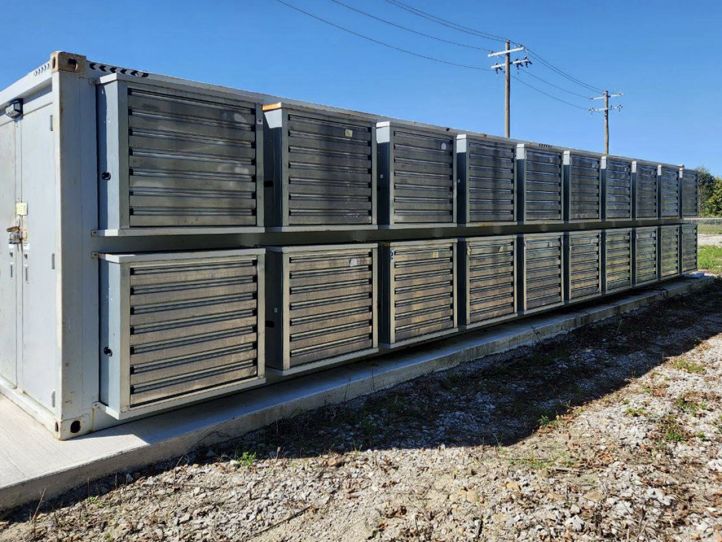

Modular container data centers are reshaping how cryptocurrency mining operates.
SAN FRANCISCO - PrAtlas -- Inside Bitcoin Mining: The Containers Powering a Global Network
Over the last decade, Bitcoin has evolved from an obscure internet experiment into a global digital asset. While most people track price swings or market headlines, few see the physical infrastructure that keeps the network running behind the scenes: mining.
Bitcoin mining has grown from a hobby conducted on personal computers into a large-scale industrial operation. As the network expanded, efficiency, power availability, and operating costs became the dominant factors shaping where and how mining takes place. One solution increasingly adopted by operators is containerized infrastructure—repurposed shipping containers designed to house specialized mining equipment.
These containerized facilities offer a fast and flexible way to deploy mining operations wherever reliable electricity is available.
What Bitcoin Mining Actually Does
Bitcoin mining is the process that verifies transactions and secures the blockchain network. When someone sends Bitcoin from one digital wallet to another, the transaction must first be validated by a decentralized network of computers.
Thousands of transactions are grouped into blocks. Specialized machines known as miners compete to verify those blocks by solving complex cryptographic problems. Once a block is verified, it is added to the blockchain, and the miners receive a reward consisting of newly issued Bitcoin and transaction fees.
More on PrAtlas
This process requires significant computing power, which consumes large amounts of electricity and produces substantial heat. As mining scaled globally, operators began searching for infrastructure that could support high-density computing while remaining cost-efficient and adaptable.
Why Containers Are Used for Mining
Shipping containers have become a practical solution for housing mining equipment because they are modular, transportable, and relatively quick to deploy.
Scalability is one of the biggest advantages. Instead of constructing large permanent facilities, operators can start with a single container and expand incrementally by adding more units as demand grows. Containers can be arranged side by side or stacked, creating a flexible infrastructure that grows alongside the operation.
Mobility is another major factor. Mining operations often follow access to inexpensive electricity. Containerized systems allow operators to relocate equipment to regions with more favorable energy costs or regulatory conditions, something traditional data center buildings cannot easily accommodate.
Cooling and airflow also play a critical role. Mining machines run continuously and generate large amounts of heat. Container systems are typically designed with high-volume ventilation, using industrial fans to pull cool air in and push hot air out. Some operations also incorporate evaporative cooling systems to further reduce internal temperatures while minimizing energy use.
More on PrAtlas
A New Layer of Infrastructure
A typical 40-foot mining container can support roughly 1 to 1.5 megawatts of electrical load and house hundreds of specialized machines. To operate safely and efficiently, these units rely on industrial-grade electrical systems, including three-phase power, power distribution units, and carefully designed rack layouts that maintain airflow between machines.
As Bitcoin continues to mature, the infrastructure supporting it is evolving as well. Containerized mining facilities illustrate how the industry is adapting to the demands of large-scale computing while maintaining flexibility in a rapidly changing energy and regulatory landscape.
What began as a decentralized financial experiment is now supported by a global network of highly specialized infrastructure—often hidden inside rows of steel containers working around the clock.
To read the full story, click here: https://www.conexwest.com/blog/hidden-infrastructure-behind-bitcoin-shipping-containers
About Conexwest
Conexwest is a U.S.-based supplier of shipping containers and container modifications serving commercial, industrial, and infrastructure projects across North America. The company provides new and used shipping containers along with customized container solutions designed for storage, mobile offices, modular facilities, and specialized infrastructure such as data processing environments and equipment housing.
Learn more at: https://www.conexwest.com
Over the last decade, Bitcoin has evolved from an obscure internet experiment into a global digital asset. While most people track price swings or market headlines, few see the physical infrastructure that keeps the network running behind the scenes: mining.
Bitcoin mining has grown from a hobby conducted on personal computers into a large-scale industrial operation. As the network expanded, efficiency, power availability, and operating costs became the dominant factors shaping where and how mining takes place. One solution increasingly adopted by operators is containerized infrastructure—repurposed shipping containers designed to house specialized mining equipment.
These containerized facilities offer a fast and flexible way to deploy mining operations wherever reliable electricity is available.
What Bitcoin Mining Actually Does
Bitcoin mining is the process that verifies transactions and secures the blockchain network. When someone sends Bitcoin from one digital wallet to another, the transaction must first be validated by a decentralized network of computers.
Thousands of transactions are grouped into blocks. Specialized machines known as miners compete to verify those blocks by solving complex cryptographic problems. Once a block is verified, it is added to the blockchain, and the miners receive a reward consisting of newly issued Bitcoin and transaction fees.
More on PrAtlas
- Mutant-Fueled Bio-Cyberpunk Shooter HoverGrease 2 Launches May 22
- Triple-Digit Growth, OTCQX Market Upgrade and a Rapidly Expanding Specialty Healthcare Platform: Cardiff Lexington Corporation: Stock Symbol: CDIX
- XRPPower Continues Strengthening Its Global AI-Powered Blockchain Ecosystem
- Lick Introduces Pineapple Flavored Massage Oil — A Tropical Date Night Favorite Available on Amazon
- FutureLot Powers ADU Wizard for Massachusetts Clean Energy Center's Statewide ADU Resource Center
This process requires significant computing power, which consumes large amounts of electricity and produces substantial heat. As mining scaled globally, operators began searching for infrastructure that could support high-density computing while remaining cost-efficient and adaptable.
Why Containers Are Used for Mining
Shipping containers have become a practical solution for housing mining equipment because they are modular, transportable, and relatively quick to deploy.
Scalability is one of the biggest advantages. Instead of constructing large permanent facilities, operators can start with a single container and expand incrementally by adding more units as demand grows. Containers can be arranged side by side or stacked, creating a flexible infrastructure that grows alongside the operation.
Mobility is another major factor. Mining operations often follow access to inexpensive electricity. Containerized systems allow operators to relocate equipment to regions with more favorable energy costs or regulatory conditions, something traditional data center buildings cannot easily accommodate.
Cooling and airflow also play a critical role. Mining machines run continuously and generate large amounts of heat. Container systems are typically designed with high-volume ventilation, using industrial fans to pull cool air in and push hot air out. Some operations also incorporate evaporative cooling systems to further reduce internal temperatures while minimizing energy use.
More on PrAtlas
- ICT Innovations Releases ICTPBX Community Edition as Open Source Under Mozilla Public License 2.0
- Maryland Personal Injury Firm Earns National Recognition in 2026 ELA Awards
- Robert J. Bradshaw's AYE is a Gripping Dual Reality Thriller Exploring the Increasingly Blurred Line Between Humanity and Technology
- Bangxing Silicone Revolutionizes Silicone Baby Product Partnerships: Low MOQ Support + VIP Long-Term Win-Win Programs
- SteelTree Announces Launch of Its Operational Decision Intelligence Service
A New Layer of Infrastructure
A typical 40-foot mining container can support roughly 1 to 1.5 megawatts of electrical load and house hundreds of specialized machines. To operate safely and efficiently, these units rely on industrial-grade electrical systems, including three-phase power, power distribution units, and carefully designed rack layouts that maintain airflow between machines.
As Bitcoin continues to mature, the infrastructure supporting it is evolving as well. Containerized mining facilities illustrate how the industry is adapting to the demands of large-scale computing while maintaining flexibility in a rapidly changing energy and regulatory landscape.
What began as a decentralized financial experiment is now supported by a global network of highly specialized infrastructure—often hidden inside rows of steel containers working around the clock.
To read the full story, click here: https://www.conexwest.com/blog/hidden-infrastructure-behind-bitcoin-shipping-containers
About Conexwest
Conexwest is a U.S.-based supplier of shipping containers and container modifications serving commercial, industrial, and infrastructure projects across North America. The company provides new and used shipping containers along with customized container solutions designed for storage, mobile offices, modular facilities, and specialized infrastructure such as data processing environments and equipment housing.
Learn more at: https://www.conexwest.com
Source: Conexwest
Filed Under: Computers
0 Comments
Latest on PrAtlas
- YieldOMega Launches $DOUB Airdrop Campaign Ahead of TimeCurve Launch
- Kaltra Expands Microchannel Water Coil Line for U.S. HVAC Market With New Corrosion-Resistant Tube Technology
- Collectibles EvoRelic Celebrates Stellar 4.8-Star Customer Rating
- Phoenix Hip-hop Artist Rhymi Hits 23k Monthly Listeners 12 Days After Album Release
- Pediatrician Launches "Confessions of a Detective Doctor" Children's Book Series
- Integrated Maintenance Platforms Are Transforming Aircraft Operations
- T. Jones Group's Cameron Jones Serves as Judge for the 2026 CHBA National Awards for Housing Excellence
- Derek Advanced Tracking Systems Revolutionizes Asset Monitoring with Advanced Technology
- The AI Direction Deficit: TripleTen Study Finds Staff Get Told to Use AI — But Not Trained to Use It
- $29.8 Million Record Setting Q1 with Boosted Annual Guidance to $160 Million for Expanding Pre-Owned Boat Dealer: Off The Hook YS, Inc. N Y S E: OTH
- All About Technology Celebrates 25 Years of Bridging Detroit's Digital Divide
- iatroX surpasses 500,000 clinical queries and expands specialist exam coverage
- Inside-Out Hollywood: The Relentless Rise of Joseph Nybyk (AKA Joseph Neibich)
- SRK Collective Media Group Launches with a Modern Approach to Media, Authority Building, and Cultural Visibility
- MSBG Corporation Acquires GridWatch US Telemetry Automation System
- TAYP Expands Athlete Exposure Platform Beyond Georgia With New Push Into Virginia and the 757
- KT Medical Staffing Expands Concierge Nursing and Private Duty Nursing Services in Orange County
- The Millennium Alliance Achieves Great Place To Work® Certification™ Amid Continued Growth
- The Millennium Alliance Appoints Former Adweek Executive Eric Hayden Shakun as Chief Financial Officer to Accelerate Next Phase of Growth
- T. Jones Group Named Finalist Across Multiple Categories at the 2026 Georgie Awards